
UNI STUDENT
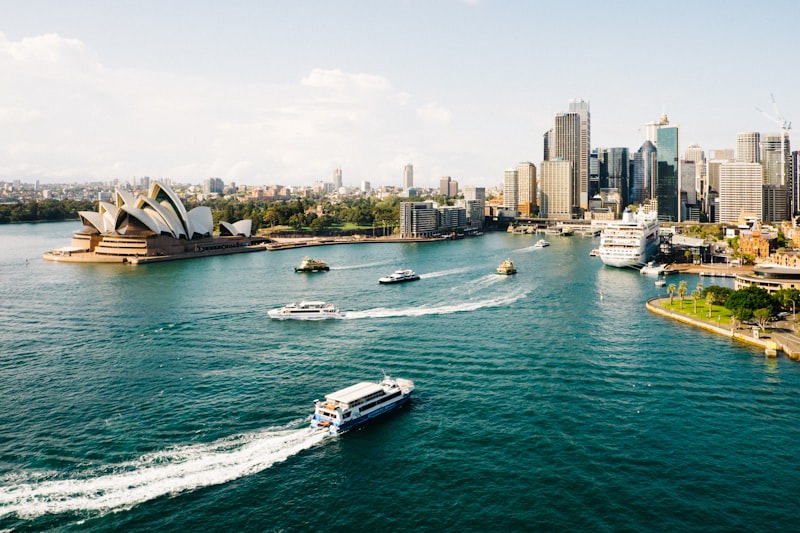
Studying in Australia is a popular choice for international students seeking high-quality education, diverse courses and a multicultural environment. Australian providers offer pathways ranging from English-language programmes and foundation studies to vocational qualifications, bachelor’s degrees, master’s programmes and doctorates. This guide explains the main entry requirements, costs, visa steps and application process in a clear, concise format.
Internationally recognised qualifications and a regulated education system designed to protect quality and student rights.
A wide choice of universities, vocational education and training providers, TAFE institutes and English-language colleges.
Practical learning through projects, laboratories, case studies and industry placements in selected courses.
Student cities such as Sydney, Melbourne, Brisbane, Perth, Adelaide and Canberra, plus regional locations with different lifestyles and living costs.
Options include general English, academic English and test preparation. A language course may also form part of a pathway to university or vocational admission.
These programmes help students who do not yet meet direct undergraduate entry requirements develop academic knowledge, English and university study skills.
Career-focused qualifications include certificates, diplomas and advanced diplomas in areas such as business, IT, hospitality, design and applied engineering.
Most bachelor’s degrees take three years, although engineering and some professional courses take longer. Master’s programmes usually take one to two years, while a doctorate often requires three to four years of full-time research.
Admission requirements vary by institution, course and academic level. Applications may require:
A secondary school qualification for undergraduate study or a recognised bachelor’s degree for postgraduate study.
Academic certificates and transcripts, with certified translations when documents are not in English.
Evidence of English proficiency through an accepted test such as IELTS Academic, TOEFL iBT or PTE Academic.
A statement of purpose, CV, references or relevant work experience for selected programmes.
A portfolio for art, design or architecture, or a research proposal for research degrees.
Choose your academic level, subject, budget and preferred location.
Compare providers and courses, then check the CRICOS registration.
Review academic and English-language requirements.
Prepare your certificates, transcripts and supporting documents.
Submit the application and carefully review the Letter of Offer.
Accept the offer, complete the required payment and receive your Confirmation of Enrolment (CoE).
Arrange Overseas Student Health Cover (OSHC), apply for the Student visa and prepare for travel.
The cost of studying in Australia depends on the provider, course, academic level and location. Medicine, dentistry, health sciences, engineering and laboratory-based programmes are often more expensive than classroom-based courses. Compare current fees using official course-search tools and confirm the final amount with the education provider.
A realistic budget should include tuition, enrolment charges, OSHC, books and equipment, accommodation, food, transport, visa and medical costs, flights and personal expenses. Living costs also vary significantly by city and accommodation type, and actual spending may be higher than the minimum financial amount used for visa purposes.
Scholarships and bursaries may be offered by the Australian Government, universities, research institutions, state governments and sponsoring organisations. Eligibility may depend on academic merit, research, subject area or nationality. Some awards provide partial tuition support, while others may cover full fees or contribute to living and travel costs. Always check the scholarship value, conditions and deadline, as a separate early application may be required.
The Student visa (subclass 500) is the main route for full-time study in an eligible Australian programme. Requirements generally include a valid CoE, the Genuine Student requirement, OSHC, evidence of English and financial capacity when requested, and health and character checks. Applications are submitted online through ImmiAccount, and the Australian immigration authority makes the final decision.
Student visa holders can generally work up to 48 hours per fortnight while their course is in session, with different conditions for some research students. Always check the current visa conditions before working, and do not rely on part-time employment as the main source of tuition or living funds.
Popular subjects include business and finance, computer science and artificial intelligence, data analytics and cybersecurity, engineering, nursing and health sciences, medicine and dentistry, environmental science, education, digital marketing, hospitality, design and architecture. Choose a course according to your abilities, budget and career goals, and check professional accreditation requirements for regulated occupations.
Some providers accept alternative English tests or offer conditional admission with a language programme. You must also check the separate English requirements for the Student visa.
Most bachelor’s degrees take three years, while engineering, honours and certain professional programmes may take four years or longer.
Student visa holders can generally work up to 48 hours per fortnight while their course is in session, subject to current visa conditions.
A Confirmation of Enrolment, or CoE, is issued after you accept an offer and complete the required enrolment steps. It is needed for the Student visa application.
Most international students must obtain and maintain eligible Overseas Student Health Cover for the period required by their visa.
Begin researching several months before your intended intake, especially if you need an English test, pathway programme or additional time for visa processing.
Our education consultants are ready to help with every step from choosing your university to arriving at your destination.
Get a 100% Book Your Free Consultation tailored to your grades, budget & dream country.