UNI STUDENT
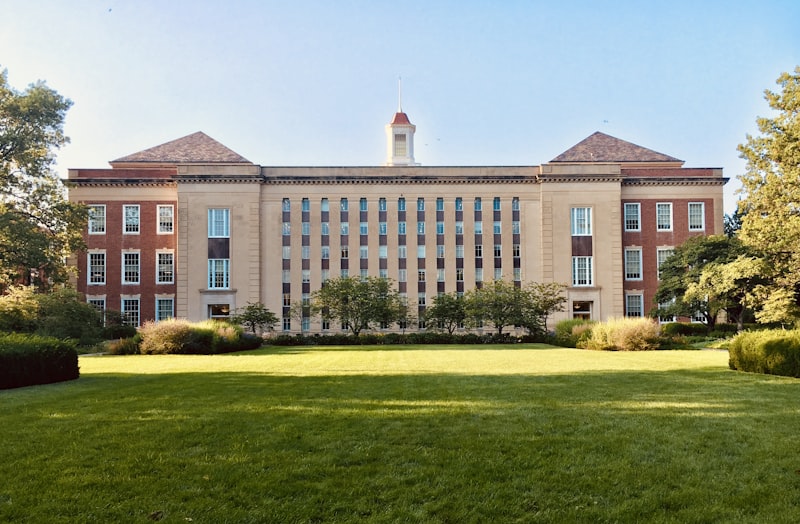
Studying in Serbia is an option worth considering for international students looking for European higher education, a diverse selection of academic programs and an active student environment. Serbian universities offer programs in medicine, engineering, information technology, business, natural sciences, humanities and many other fields.
Serbia follows the Bologna Process and the European Credit Transfer and Accumulation System (ECTS). This gives its degree programs a structure similar to that used by many European higher education institutions. International students can also find a growing selection of programs taught fully or partly in English.
Before applying, students should confirm that their chosen university and program are officially accredited by Serbia’s National Entity for Accreditation and Quality Assurance (NEAQA/NAT). They should also check whether the qualification will be recognised in the country where they intend to work or continue their education.
Serbia offers several key advantages for international students:
Public and private universities offering academic and applied study programs across bachelor's, master's, and doctoral levels.
More than 180 accredited programs taught fully or partly in English, according to the official Study in Serbia catalogue.
A higher education system based on ECTS and the Bologna Process for seamless European transfer and international recognition.
High quality programs in medicine, engineering, computer science, business and other in-demand global fields.
A selection of dynamic student cities, including Belgrade, Novi Sad, Niš and Kragujevac.
Part-time employment opportunities subject to residence and employment regulations (up to 16 hours per week).
Government scholarships (such as World in Serbia), exchange programs (like Erasmus+) and university-based funding opportunities for eligible students.
Serbian higher education includes universities, colleges and academic and applied study institutions. The main qualification levels are:
Most bachelor’s programs take three to four years to complete and normally carry between 180 and 240 ECTS credits, depending on the field and program structure.
Certain subjects, particularly medicine, dentistry and pharmacy, are offered as integrated academic programs lasting approximately five to six years. Program length, clinical training and credit requirements vary between institutions.
Master’s programs generally take one to two years and carry between 60 and 120 ECTS credits, depending on the length and structure of the previous bachelor’s degree.
Doctoral studies normally require at least three years and focus on advanced research and the preparation of a doctoral dissertation.
A range of Serbian institutions offer degree programs taught fully or partly in English. However, the number and availability of these programs can change between academic years.
Students should confirm whether the entire program is delivered in English or only selected modules. Universities may require proof of English proficiency through IELTS, TOEFL, an internal language test or an interview.
Programs taught in Serbian generally require applicants to demonstrate the level of Serbian specified by the institution.
International students can choose from a broad selection of subjects, including:
Admission requirements vary according to the university, qualification level and chosen subject. Commonly requested documents include:
A secondary school certificate and transcripts for bachelor’s applications.
A bachelor’s degree and transcripts for master’s applications.
A relevant postgraduate qualification for doctoral applications.
A valid passport copy.
Proof of proficiency in the program’s language of instruction.
A personal statement or motivation letter.
A CV and recommendation letters for certain postgraduate programs.
A portfolio for art, design and architecture courses.
An entrance examination or interview where required.
Certified translations of academic documents.
Medicine is one of the subjects international students commonly consider in Serbia. Several universities offer medical programs in English.
Admission to a medical university does not automatically guarantee recognition or permission to practise medicine in another country. Students should consult the education authority and medical licensing body in their destination country before enrolling or paying tuition fees.
The application process generally includes the following steps:
Choose a subject, university and language of instruction.
Confirm the accreditation of the institution and program.
Review entry requirements and application deadlines.
Prepare academic certificates and certified translations.
Submit the application to the university.
Complete an entrance examination or interview if required.
Receive an official admission or enrolment letter.
Pay the required fees according to university policy.
Apply for a long-stay Visa D when required.
Complete temporary residence procedures upon arrival.
According to Study in Serbia, annual tuition fees generally range from €750 to €20,000, depending on the subject and degree.
Annual tuition fees for international students generally range from approximately €750 to €20,000 per academic year.
The cost of living depends on the city, accommodation type and lifestyle. Living in Belgrade is generally more expensive than in smaller Serbian cities.
Belgrade is Serbia’s capital and largest city. It has a wide selection of universities, cultural venues, businesses and social activities. It suits students who prefer studying in a large, vibrant metropolis.
Novi Sad is known for its cultural and student atmosphere. The city is home to the University of Novi Sad and offers programs across a variety of academic fields.
Niš is an important university city in southern Serbia. Its institutions offer programs in medicine, engineering, sciences and other subjects.
Kragujevac has a public university and several faculties. It appeals to students who prefer a smaller, relaxed city environment.
Entry and visa requirements depend on the student’s nationality and intended length of stay. Visa-free entry or a short-stay visa should not be treated as a substitute for long-term study immigration permission.
Students subject to visa requirements planning to stay for a longer period will generally need a long-stay Visa D for education, permitting an initial stay of 90 to 180 days.
Students whose courses continue beyond Visa D validity must apply for temporary residence based on education. It may be granted for up to three years. Passports must remain valid for at least three months beyond the requested stay.
According to official government portals, foreign students with regulated residence based on education may work for up to 16 hours per week, subject to employment and tax regulations.
Studying in Serbia does not provide an automatic right to remain. Graduates receiving a job offer must apply to switch to an appropriate employment residence and work permit prior to student residence expiry.
Accommodation options include university dormitories, shared rooms and private rented apartments. University accommodation depends on eligibility and availability.
Before renting private housing, verify:
International students must provide evidence of valid health insurance during visa and temporary residence processing.
Ensure your policy covers the full period of stay and medical emergency services in Serbia. Keep both printed and digital copies of your policy certificate readily available.
Students should verify that their selected university and program are accredited by Serbia’s National Entity for Accreditation and Quality Assurance (NEAQA / NAT).
Contact the qualification-recognition authority in your home country or intended work location. Graduates of medicine, dentistry, pharmacy, engineering and other regulated professions may also need approval from professional licensing boards.
Note: A university’s listing in an international directory does not alone guarantee automatic degree recognition or licensing.
UNI Student supports students planning to study in Serbia through:
Choosing a suitable university and accredited program aligned with your career goals and budget.
Understanding admission and language requirements, reviewing documents, and tracking nostrification and applications.
Navigating visa and residence requirements and preparing for accommodation, arrival, and travel.
Contact UNI Student for personalized guidance based on your qualifications, preferred subject and study goals.
Get Free ConsultationYes. Serbian institutions offer accredited programs taught fully or partly in English. Students should confirm the language of every module directly with the university.
Published tuition fees for international students generally range from approximately €750 to €20,000 per year, depending on the institution, subject and qualification level.
Most bachelor’s programs take three to four years. Integrated programs such as medicine may take five or six years.
Serbia has officially accredited universities and programs under the Bologna process. International recognition depends on the destination country, qualification and professional board. Students must verify recognition with the relevant authority in their country.
This depends on nationality and intended length of stay. Long-term students will generally need a long-stay Visa D and a temporary residence permit based on education.
Students with regulated residence based on education may work for up to 16 hours per week, subject to current legal employment requirements.
Yes. Several Serbian public universities offer medical programs in English. Tuition fees, entrance examinations and licensing requirements vary by institution.
Our education consultants are ready to help with every step from choosing your university to arriving at your destination.
Get a 100% Book Your Free Consultation tailored to your grades, budget & dream country.